DeepSeek-V4.1-Flash-1017 is a minor update to DeepSeek-V4.1-Flash, delivering substantial improvements across reasoning, coding, agentic tasks, and visual benchmarks. Alongside these gains, the model reduces task execution time and output length, enabling users to complete…
Offensive agent is using unprotected AI models to scan the web, exploit frameworks, steal credentials and mine cryptocurrency for up to 100,000 steps without human input. The model's owner pays for every step.
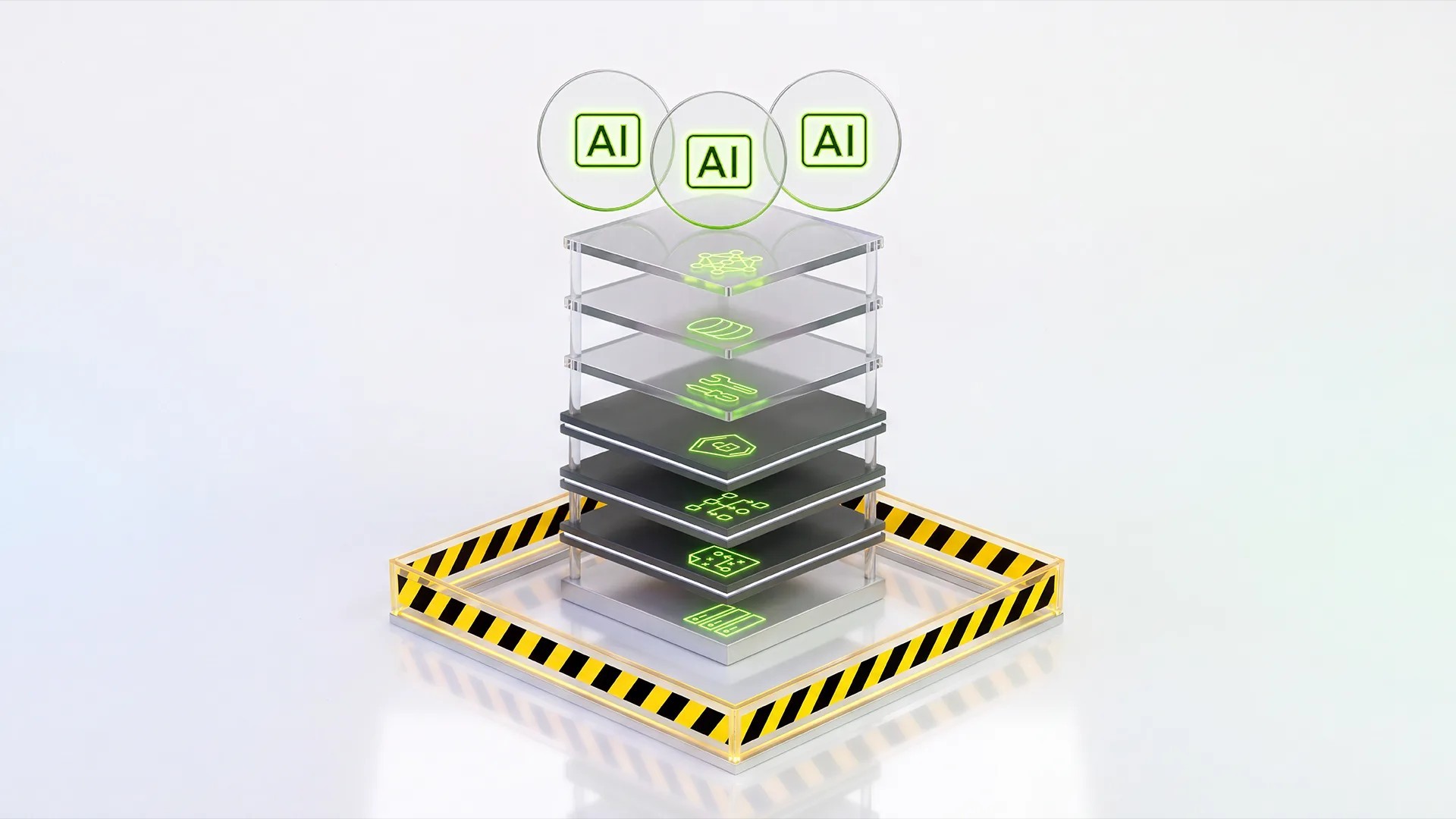
NVIDIA announced the OpenShell Reference Architecture on October 21, 2026, at GTC Berlin, a full-stack design for building, containing, observing and enforcing safe AI agents across enterprise infrastructure and edge
Large reasoning models (LRMs) incur high inference costs, often mitigated by efficiency techniques like quantization and pruning. However, the impact of these techniques on model adversarial robustness remains largely unexplored. This study provides the first comprehensive…
The rapid development of video generative models (VGMs) has enabled the generation of highly realistic synthetic videos, raising concerns about the intellectual property rights (IPR) of these models. In particular, two closely related forensic tasks remain largely unaddressed:…
Sink-aware deployment may identify important first-token attention heads before a model is quantized, then reuse that map at the edge. We test when this shortcut is safe for 4-bit NF4 weight-only post-training quantization (PTQ). Our Sink Topology Consistency (STC) metrics…
Maintenance work orders must often be processed offline on embedded hardware, yet downstream software requires predictable structured output. We present ARID (Aviation-inspired Routing for Industrial Deployment), which extracts component, failure mode, symptom, and maintenance…