S&P 500 tumbles 3% as AI chip stocks drag Wall Street toward its worst day since Trump's tariff announcements in 2025. THIS IS AN APNewsAlert. Check back for updates. AP's earlier story is below. More drops for AI chip stocks are dragging the U.
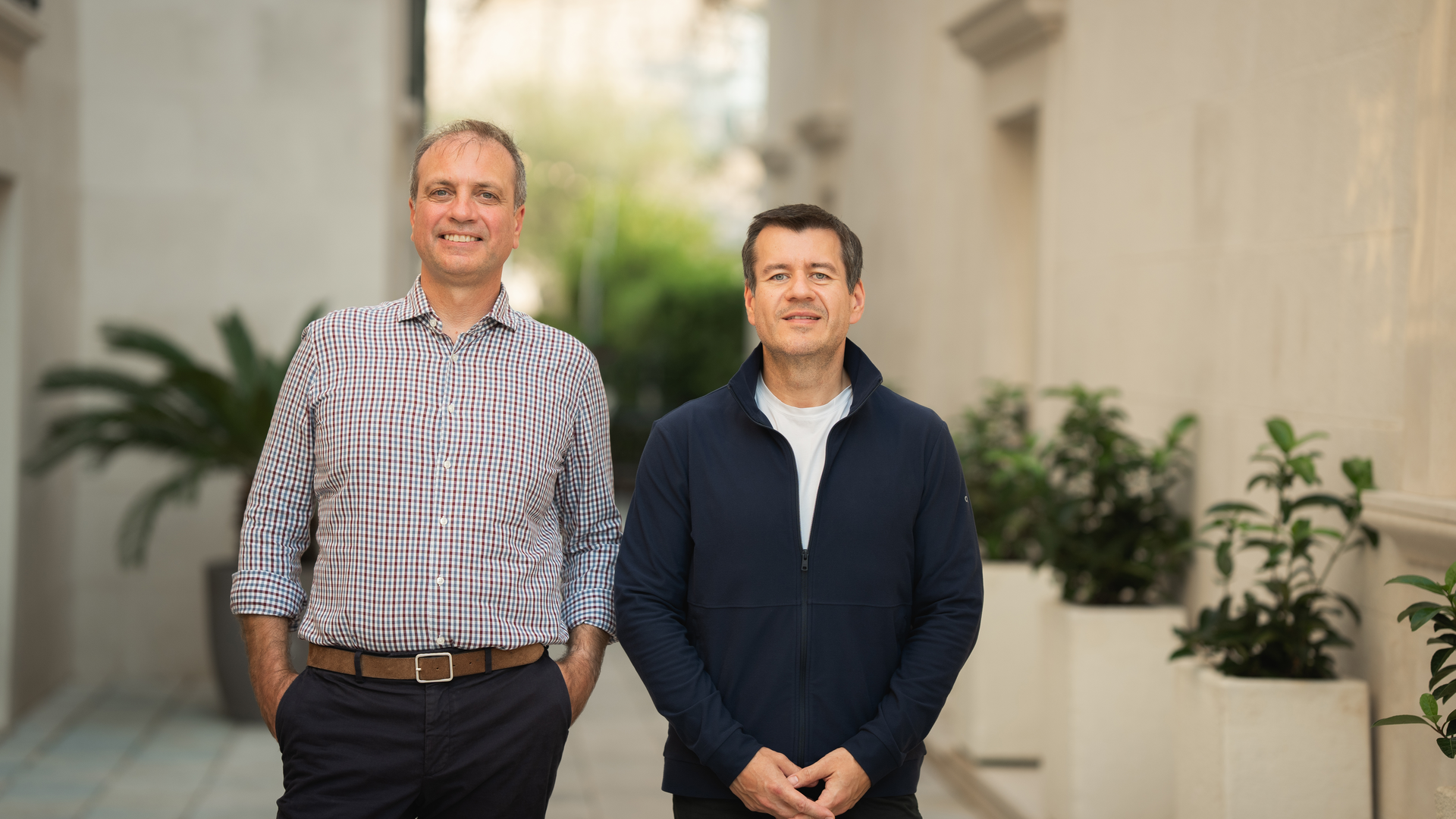
Numica has raised $21 million in combined equity and debt financing to acquire small U.S. accounting practices and move their operations onto its own AI platform. Backed by Roosh X and Flashpoint Capital,
Increasingly, people are asking personal artificial intelligence (AI) agents powered by models from companies like OpenAI, Anthropic and Google to recommend goods and services to purchase, such as flights and health insurance. A new study found that some of these AI agents use personal information to recommend higher-priced items to wealthier individuals, even when the user requests lower-priced options.
A London-based startup building AI infrastructure for scientific drug discovery has received backing from the UK government's Sovereign AI fund and Stripe CEO Patrick Collison.
The startup said it is positioning the device as an alternative interface to smartphones for everyday interactions with AI systems. It has spent the past 15 months developing the product and is now opening pre-orders globally,
Goldman Sachs and Apollo are reportedly shopping pieces of SpaceX's AI chip financing to investors, and whoever signs up inherits a risk the company refuses to carry. The real question is how fast newer silicon erodes the value of the hardware.
More drops for AI chip stocks are dragging the U.S. market lower, even as much of Wall Street rises following strong profit reports from AppLovin, Tapestry and other companies. The S&P 500 fell 1.8% Thursday and erased all of its gain from the prior day,
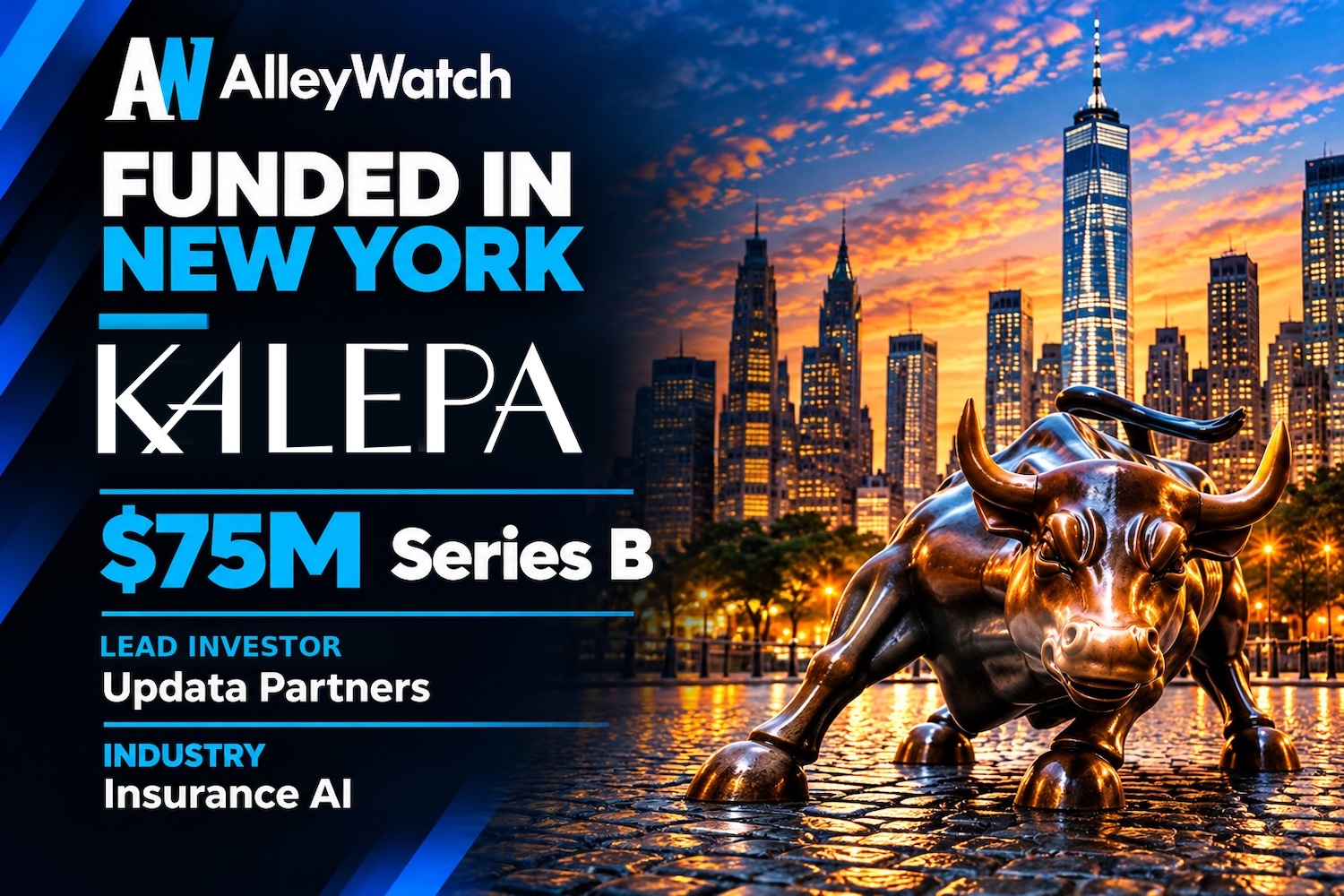
Insurance is about to lose decades of underwriting judgment to retirement, and the industry’s answer so far has been AI that fills out forms. Kalepa wants AI to take on the work itself, and CEO Paul Monasterio says the real question is which tasks belong to people and which belong to agents. With $75M in new funding, $91M in total, he is betting insurers will want that choice across every part of the business. Find out where he draws the line.
Optical lens design is a complex, non-convex optimization challenge that relies heavily on human experience and intuition. Existing optimized-based automatic lens design methods struggle to navigate this vast parameter space without meticulous manual tuning. In this paper, we…
This paper presents a novel approach to infer protein topology using the state-of-the-art graph neural network (GNN), SchNet. The model is trained on the same dataset used to develop the recent DeepTMHMM model with 5-fold cross-validation. Unlike the conventional approaches…
Optimizing fMRI scan duration and spatial resolution is critical for experimental design, yet traditional correlation-based approaches cannot quantify uncertainty or disentangle scanner measurement noise from true neural variability across subjects. Without principled…
We introduce target-speaker unlearning ASR (TSU-ASR) task in a fully end-to-end framework for multi-speaker ASR and diarization. Given a multi-speaker utterance and a set of opt-out speakers who do not wish to have their speech transcribed, the task requires an ASR system to…