Ricursive Intelligence introduces Ripple-65B Preview, a 65B parameter dense Transformer model pretrained on 12 trillion tokens with support for up to 1M context length. Ripple-65B Preview delivers strong results on agentic coding, scoring 80.52 on TerminalBench 2.1 and…
Agent infrastructure startup Diagrid Inc. today released Dapr 1.19 with changes that cut the overhead of the durable workflows behind long-running artificial intelligence agents.
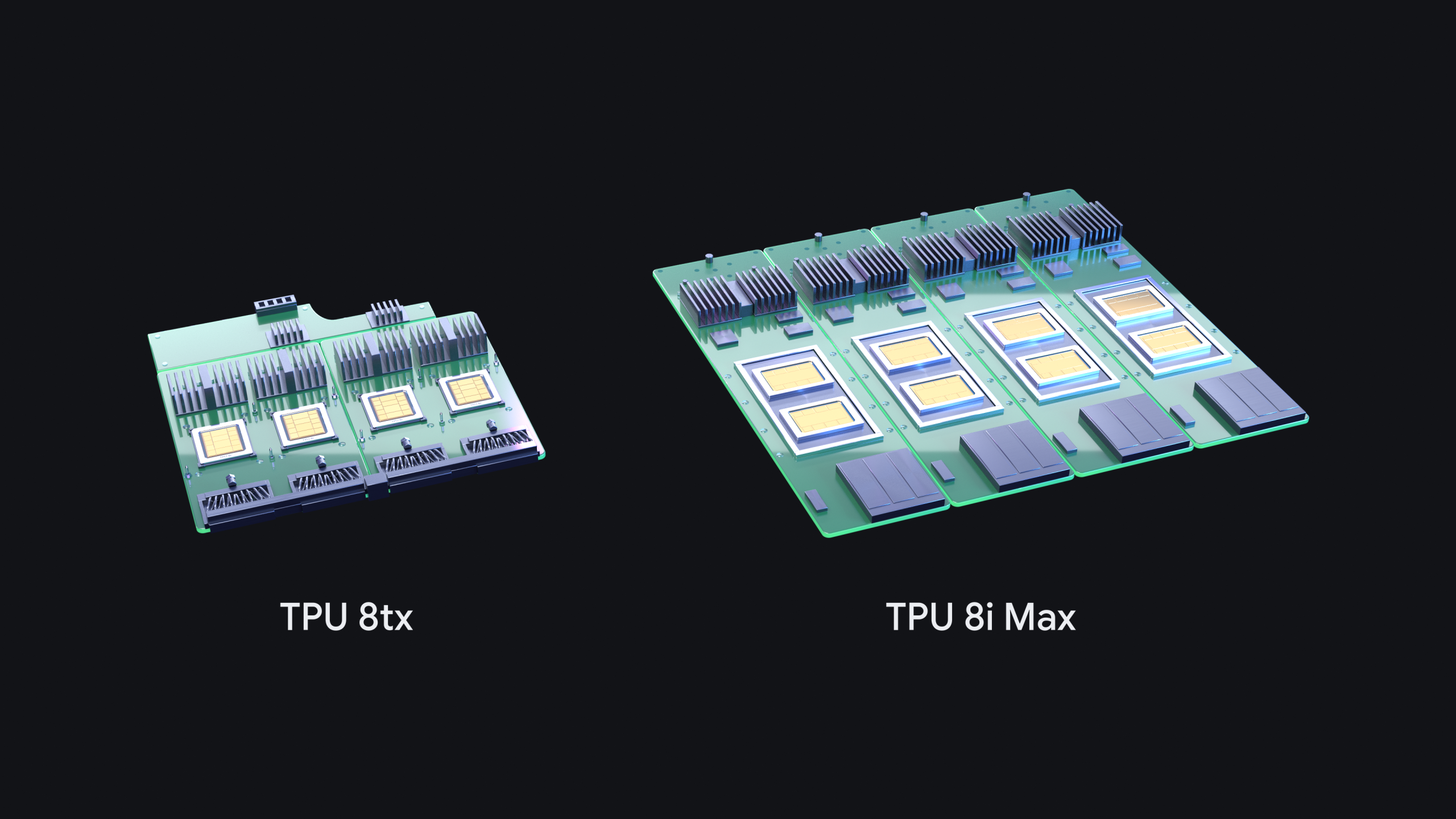
It says the new TPU 8tx is for confidential computing for government agencies and regulated businesses, while the 8i Max is aimed at AI applications with large context windows. Google also announced its TPU 8t and 8i in April,
The Dominican Republic's Ministry of Public Administration (MAP) will develop a General Regulation on Artificial Intelligence for the Public Sector in 2027, which will be submitted to the Executive Branch
Agentic AI architecture extends microservices and cloud-native architectures with AI agents that work with context, memory, and protocols such as MCP and A2A. The article covers bounded-context integration, task-dependent coordination strategies, new security risks, and observability needs. It expects gradual adoption alongside existing architectures, with platforms absorbing common components.
The company is introducing two new variations of its tensor processing units, or TPUs, custom-made semiconductors that help develop and run AI software
After rushing to lend money for the data-center buildout, now some investors can't dump it fast enough, including whole portfolios of loans that are being shopped at steep discounts.
A record quarter should have sent this chip giant soaring. Instead, the stock sank for a week straight while Wall Street analysts kept piling in. What do they see in custom silicon that the sellers are missing?
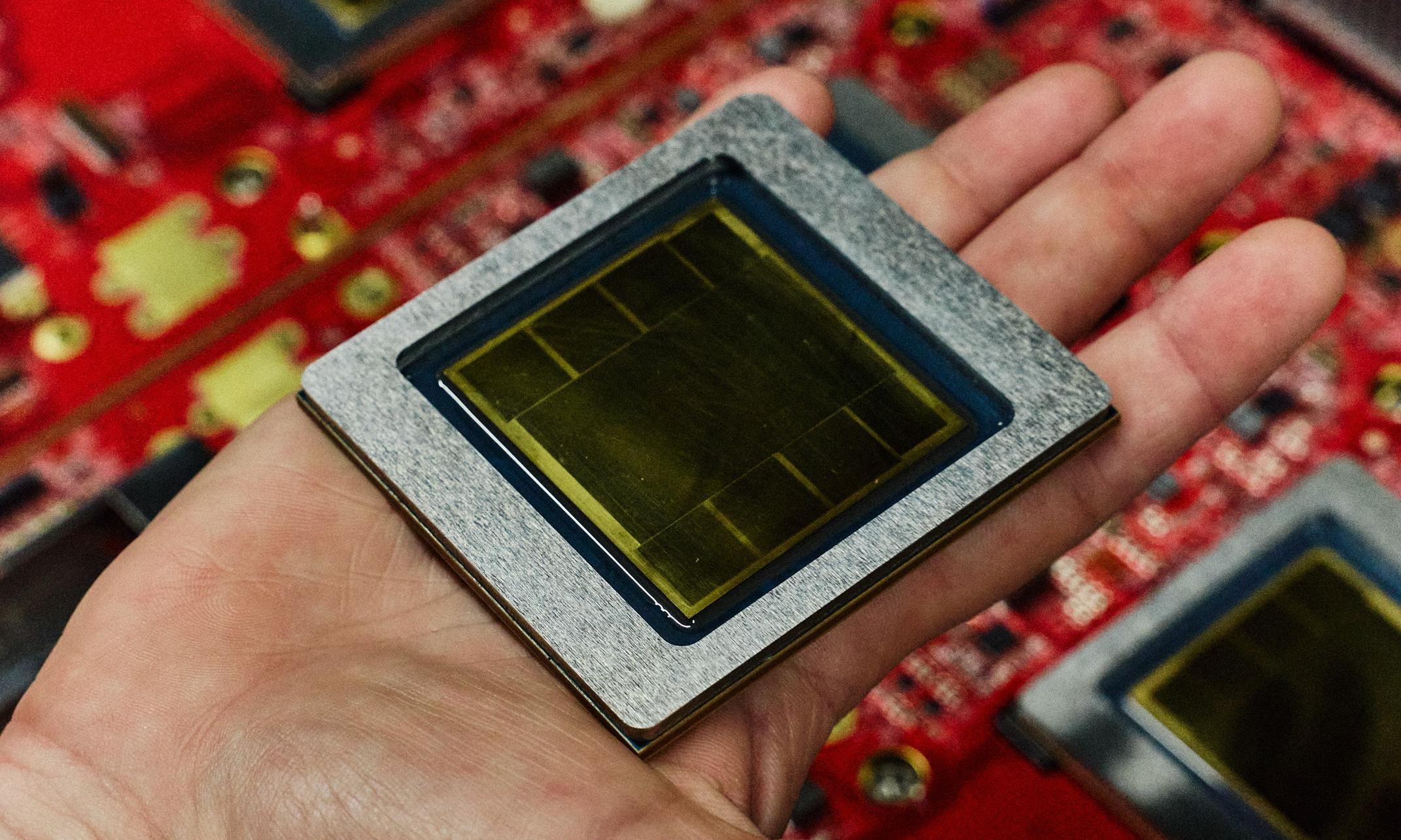
Google LLC today introduced two new specialized silicon chips for artificial intelligence to its eighth-generation Tensor Processing Unit architecture family, aimed at higher compute density and secure inference.
Production LLM agents are evaluated repeatedly as they evolve, but full agent benchmarks are costly to rerun. We study efficient recurring evaluation for a production analytics agent serving tens of thousands of monthly active users and report first-hand deployment experience.…
Achieving high task success and efficiency remains a central pursuit in embodied exploration. Existing frameworks typically guide agent behavior through a spatially coarse and indirect assessment of suggestive cues and directions, yet such designs may struggle to judge cue…
Spatial NPUs such as AMD XDNA place compute tiles beside small local memories and leave data movement between them to software. Mapping a multi-stage workload onto such a device is largely a question of where the intermediate tensors live. We report what we learned making those…
Automated macro placement remains a fundamental challenge in VLSI physical design. Despite decades of research, existing approaches predominantly optimize hand-crafted proxy objectives, such as estimated wirelength, and typically produce placements through one-shot numerical…