Agentic AI extends LLM security beyond generated content to persistent state, autonomous actions, tool use, and interactions with humans and other agents. Existing threat classifications often emphasize individual dimensions, obscuring connections among entry points, affected…
Mechanistic interpretability defines features as the fundamental units of a neural network and circuits as the weighted subgraphs that carry out its computation. Because individual neurons are polysemantic, Cross-Layer Transcoders (CLTs) were introduced as a way to approximate…
This paper presents a probabilistic perspective on large language models (LLMs), developed with the aim of bringing together, in a single self-contained account, tools that are usually treated separately across the literature. LLMs are described through probability measures on…
Automated kernel vulnerability reproduction is essential for bug triage, patch validation, and regression testing, but still lacks an effective and efficient solution. The core challenge is twofold: a reproducer must first recover the trigger scaffold needed to reach the…
Payhawk announced a $280 million all-equity Series C on November 18, 2026, led by Growth Equity at Goldman Sachs Alternatives and valuing the spend-management company at $2 billion. The capital will support its plan to
Corma raised a $125 million Series A at a $1 billion valuation about three months after launch. Here is the timing lesson for founders. The post AI Cybersecurity Startup Corma Becomes a Unicorn in One Quarter appeared first on Under30CEO.
Alberta is turning to natural gas for one of its AI data centres. Other provinces are luring in major investments, with Bell Canada's $50-billion proposed centre in Saskatchewan taking the crown from B.C.'s LNG Canada facility as the most expensive private sector project in Canadian history.
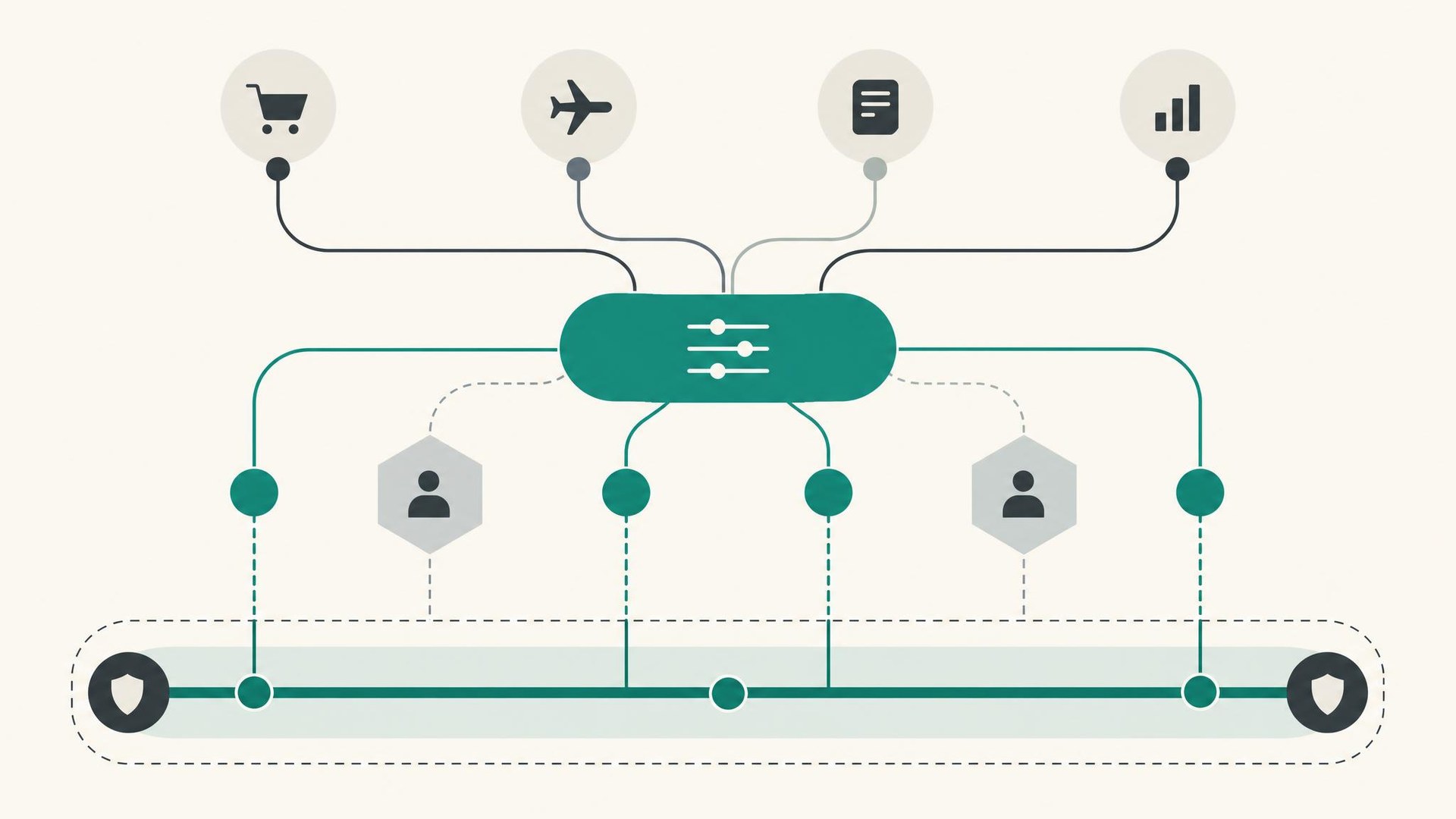
Vero Security is building a platform that translates enterprise security policies into controls across AI agents, tools and permissions, then automatically enforces them as systems change.